



In plain English, bias is a systematic distortion that causes an AI model or decision process to treat similar applicants differently for reasons unrelated to actual risk. In insurance, bias can creep in through how data are used (e.g., using a proxy like credit score or ZIP code that correlates with protected traits), how a model works (which variables are weighted), or through the actual insurance workflow (how and when humans override or accept automated decisions).
Regulators are increasingly distinguishing between fair risk classification (grouping similar risks together based on sound actuarial principles, such as environmental risks) and unfair discrimination (differences that are not justified by risk or that act as proxies for protected characteristics, including educational attainment or race). The NAIC’s AI Model Bulletin and AI Principles highlight fairness, accountability, transparency, and compliance as baseline expectations for any insurer deploying AI.

Where Bias Appears in Insurance Pricing and Approvals
Bias in insurance isn’t theoretical; it is a real issue with potentially severe implications for insureds. Among the more serious are:
- Pricing differentials: Credit-based insurance scores, neighborhood rating factors, or opaque third-party data sources that create disparities. An otherwise good risk with a lower credit score may pay disproportionately higher premiums.
- Approvals and declines: Automated systems can rule an applicant “ineligible” based on inputs that act as hidden proxies for race, income, or other protected traits.
- Renewal actions: Automated non-renewals or grouped decisions, such as applying auto rating tiers, may disproportionately affect certain groups if not monitored.
Whether you are an agent, broker, or underwriter, these factors shape how decisions are perceived. Clients don’t just see a number; they have feelings about whether that number seems fair. The organizations that go further by actively identifying potential biases, correcting errors, ensuring all customers are represented equally, and acknowledging the customer’s feelings will stand apart as trusted partners in risk for businesses and households.
In this instance, fairness practices that go beyond the letter of the law can be a powerful brand differentiator in a fast-changing market. Carriers and distribution partners that demonstrate their dedication to the customer through consistency and transparency will position themselves ahead of competitors who cannot explain or defend their decisions.

5 Ways Carriers Can Prevent AI Bias
While agents and brokers are the face of fairness to clients, carriers bear responsibility for preventing bias – a fact borne out by regulatory language that holds insurers liable, even when their AI models or datasets are sourced through vendors or other third parties. Carriers dedicated to the principles of fairness are reducing bias by embedding the following into daily operations:
- Data governance: Ensuring data is accurate, representative, and relevant before it enters a model. Your decisions are only as good as your data – and poor data leads directly to biased outcomes.
- Fairness testing: Running disparate impact testing before deployment and at regular intervals, using accepted metrics such as adverse impact ratios, denial odds ratios, and SHAP-based driver analysis.
- Model governance committees: The formation of cross-functional oversight teams comprising actuarial, compliance, legal, data science, and operations subject matter experts to review models and approve material changes.
- Vendor accountability: To support carriers' responsibility for compliance, which includes documentation from all third-party providers to document variables, explain model design, and provide support during regulatory audits.
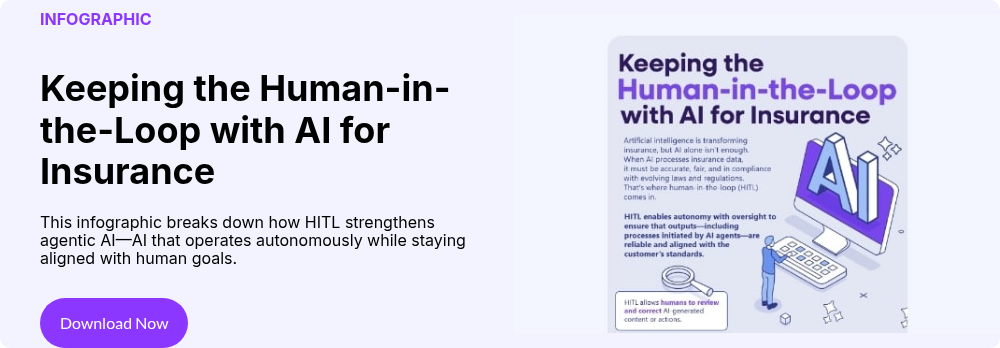
- Audit, explainability, and human-in-the-loop (HITL) oversight: Maintaining full documentation of model inputs, rationale, and validation processes, with trained and certified insurance professionals in the loop to ensure clear explanations when technology cannot explain itself. For customers, it provides confidence that their outcomes are reviewed by professionals with the knowledge and experience to spot errors, challenge unfairness, and ensure fairness.
Together, these practices make bias prevention a discrete and accountable operation to support compliance and trust.

Why AI Transparency Matters Now More Than Ever
Transparency is both a regulatory requirement and a business necessity:
- Compliance: As AI models and practices evolve, regulators are codifying more sophisticated rules. New York’s NYCRR requires carriers to disclose when external data or algorithms are used and to provide specific reasons for adverse actions. The NAIC has urged states to adopt similar guidance, with growing emphasis on fairness testing, documentation, and plain-language disclosures. Federal agencies, including the CFPB, FTC, and DOJ have also reinforced that AI must comply with long-standing anti-discrimination and consumer-protection laws.
- Trust: Clients expect clear information about how the price of their coverage is determined. Transparent and clearly stated explanations help policyholders understand how decisions are fairly rendered, even if they disagree with the outcomes. Insurers that make a concerted effort to connect the dots between data, risk factors, and pricing not only meet regulatory requirements but also strengthen trust and customer loyalty. At the independent agency level, this trust – that clients will get a policy that’s fairly priced to their risks – isn’t just a differentiator, it’s the backbone of their practice.
- Correction: Data errors can cost thousands in premiums or result in declined coverage. Transparency allows agents, brokers, and clients to identify and fix mistakes early, preventing financial loss or reputational damage.
Bias in insurance is not just a regulatory concern – it is a business imperative. Also, bias can disadvantage carriers, e.g., through underpriced premiums or inadvertently binding policies, despite their falling outside acceptable risk tolerances. Transparency empowers consumers and enhances brand reputations. Carriers that embed transparency best practices – governance, fairness testing, and human oversight will not only meet compliance standards but also stand out as trusted partners. Agents and brokers who explain decisions clearly and advocate for clients will remain indispensable in a market that values both speed and fairness.
The call to action is clear – treat bias prevention as a shared responsibility across the insurance value chain to reduce regulatory risk, deepen customer trust, and build a stronger, more equitable insurance ecosystem for the future.