


Speed has long been the gold standard for insurance placement decisions. Clients need coverage faster. Brokers compete on responsiveness. Carriers want to capture every opportunity before their competitors do. When the quote-to-bind cycle slows, the effects ripple across the entire distribution chain. Opportunities stall, communication becomes fragmented, and underwriting teams are forced to compensate by manually organizing information rather than evaluating and pricing risk.
Frustratingly, most of these delays occur long before underwriting analysis even begins.
Submissions typically arrive in separate emails with multiple attachments. Information appears across applications, loss runs, financial statements, and supplemental documents. Before underwriting review can begin, someone must locate the relevant information, confirm that the submission is complete, and organize the file.
This preparation work consumes valuable time – not just for carriers but for brokers and agents too. These early stages of the quote-to-bind process are where most delays happen well before a single underwriter sees the file. For brokers, that delay has a direct cost since the fastest quote often wins the business.
AI is helping insurance address this challenge by improving how submissions are prepared, reviewed, and routed throughout the placement process.
Where Quote-to-Bind Cycles Often Slow Down
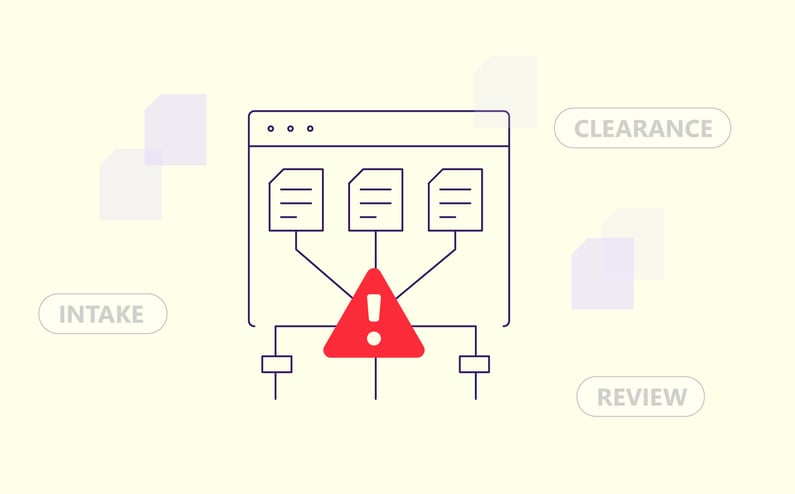
Across most insurance organizations, the quote to bind process follows several workflow stages, most commonly submission intake, clearance and appetite alignment, submission preparation and review, underwriting evaluation, and quote delivery. The earliest stages are where bottlenecks most often occur, particularly during intake, clearance, and initial review.
Submission intake often involves gathering documents, confirming required information, and organizing materials so underwriting review can begin. This stage is closely followed by clearance and appetite alignment, where submissions are checked for duplicates, evaluated against carrier appetite and underwriting guidelines, and then routed forward, declined, or flagged for additional review. These steps are critical for avoiding wasted underwriting effort, but when performed manually, they can introduce delays and inconsistencies.
Preparation work may require reviewing multiple attachments, extracting exposure data, and confirming that the submission is complete. When this work is performed by hand, it delays the point at which underwriting expertise can be applied and increases the risk of missed information or misrouted submissions.
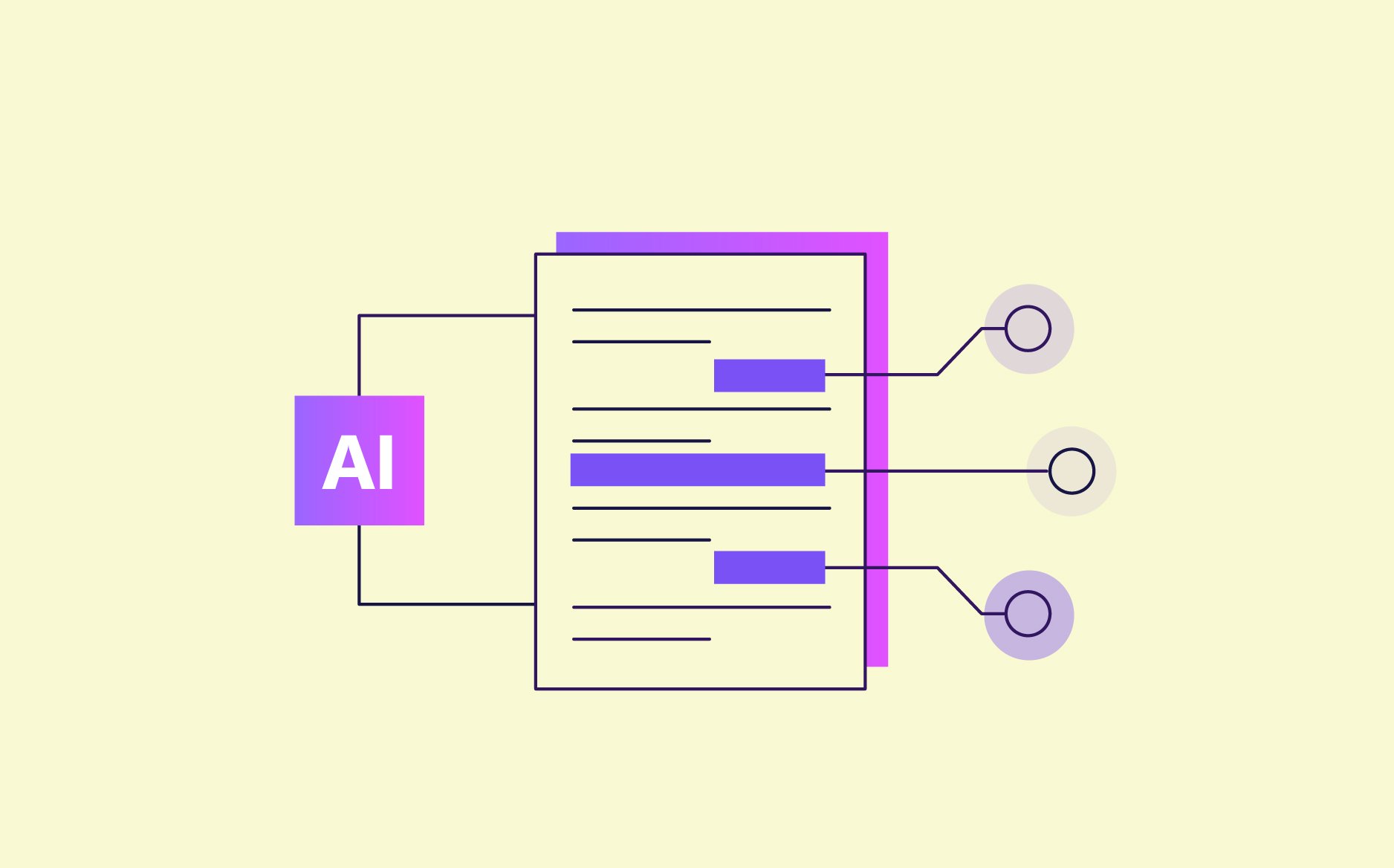
AI can reduce this friction by organizing submissions, identifying duplicates, validating alignment with appetite and guidelines, extracting key information, and preparing files so underwriters and brokers can move directly into evaluation and decision making.
How Can AI Accelerate Quote-to-Bind Cycles?
AI accelerates quote-to-bind cycles by targeting the preparation work that consumes time before underwriting evaluation even begins. Rather than replacing professional judgment, AI handles document organization, data extraction, and submission triage so that the people responsible for placing and pricing risk can focus on decisions rather than logistics.
How AI Accelerates Quote-to-Bind Cycles for Brokers and Agents
Brokers can accelerate quote-to-bind cycles using AI by automating submission preparation, flagging incomplete data before it reaches carriers, and identifying the markets most likely to quote the risk. Each of these steps reduces the back-and-forth that slows placement down and helps brokers get to market faster.
AI gives brokers and agents a significant competitive edge by:
-
Identifying missing or incomplete information before submissions are sent to carriers
-
Extracting exposure data from applications, loss runs, and schedules of values
-
Organizing submission documents into a consistent and reviewable structure
-
Aligning risks with carriers’ appetites
When required data or supporting documentation are incomplete, AI tools can flag these gaps immediately. Requesting the missing details before sending the submission reduces follow-up requests from underwriters and helps brokers go to market with submissions that are more likely to get response.
In addition to pulling key information from applications, loss runs, and schedules of values, AI creates structured summaries to allow brokers to review information and confirm accuracy without searching through documents by hand. Accelerating these steps helps brokers reach markets sooner and keep client business moving smoothly.
AI also improves market alignment by analyzing risk characteristics and comparing them with historical placement outcomes, helping brokers focus on carriers more likely to consider the risk.
Submission quality also plays an important role in quote responsiveness. Carriers often receive submissions that vary widely in structure and completeness. AI can help brokers organize documents into a more consistent format and highlight required information before submission. Clear, well-structured submissions allow underwriters to begin evaluation sooner and reduce the need for additional clarification.
How AI Accelerates Quote-to-Bind Cycles for Carriers and MGAs
Carriers and Managing General Agents (MGAs) experience similar preparation challenges with submissions containing large quantities of unstructured data. Underwriters frequently spend time identifying documents, locating exposure information, and organizing files before they can begin evaluating the risk, spend time identifying documents, locating exposure information, and organizing files before they can begin evaluating the risk.
AI assists underwriting teams in several critical areas of the submission workflow by:
-
Identifying submission emails and automatically separate attachments
-
Classifying document types and extract key exposure information
-
Converting unstructured documents into structured underwriting data
-
Prioritizing submissions that align with underwriting appetite
AI-supported submission intake identifies relevant emails, separates attachments, and classifies document types automatically. Applications, financial statements, and loss histories are then converted into structured information that feeds directly into underwriting systems, allowing underwriters to begin evaluating risk sooner.
Submission triage benefits from the same efficiency. By comparing incoming risks against underwriting guidelines and historical placement data, AI identifies which submissions are most likely to align with appetite. Underwriters can prioritize those opportunities and respond quickly, rather than spending time on submissions that fall outside preferred risk parameters.
When reviewing applications, underwriters frequently use information about prior policies, claims information, or related documentation establish to context. AI-powered search tools locate this information quickly and organize relevant details for easy review for easy risk evaluation without wasting time searching across systems.
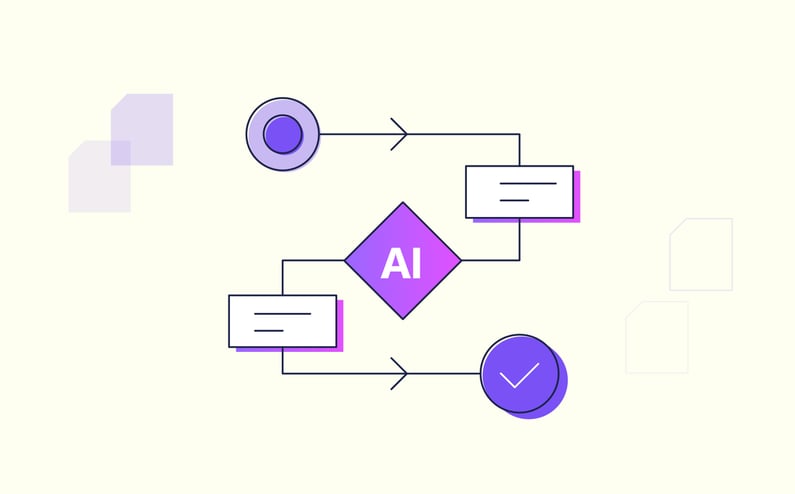
Submissions often move through several internal stages, including intake, triage, underwriting review, and quote preparation. AI-supported workflow tools can route submissions and track document status to ensure information keeps moving between teams throughout the evaluation process, without handoffs falling through the cracks or steps being repeated.
How Shorter Quote-to-Bind Cycles Improve the Entire Distribution Chain
The most noticeable improvement occurs when these capabilities support the full placement process rather than individual participants. When brokers are able to deliver more complete submissions, carriers can spend less time requesting additional information. As carriers process submissions more efficiently, brokers get quotes sooner, allowing them to respond while the client is still deciding.
AI reduces repetitive work across the distribution chain, greatly enhancing the flow of information between brokers/agents, and underwriting teams. Busy insurance experts spend less time managing documents and more time applying professional judgment for faster, more effective decisions.
Organizations that focus on improving the early stages of the submission workflow often realize the greatest gains in efficiency and accuracy. As document intake, data extraction, and submission preparation become faster and more consistent, the entire placement process moves more efficiently.
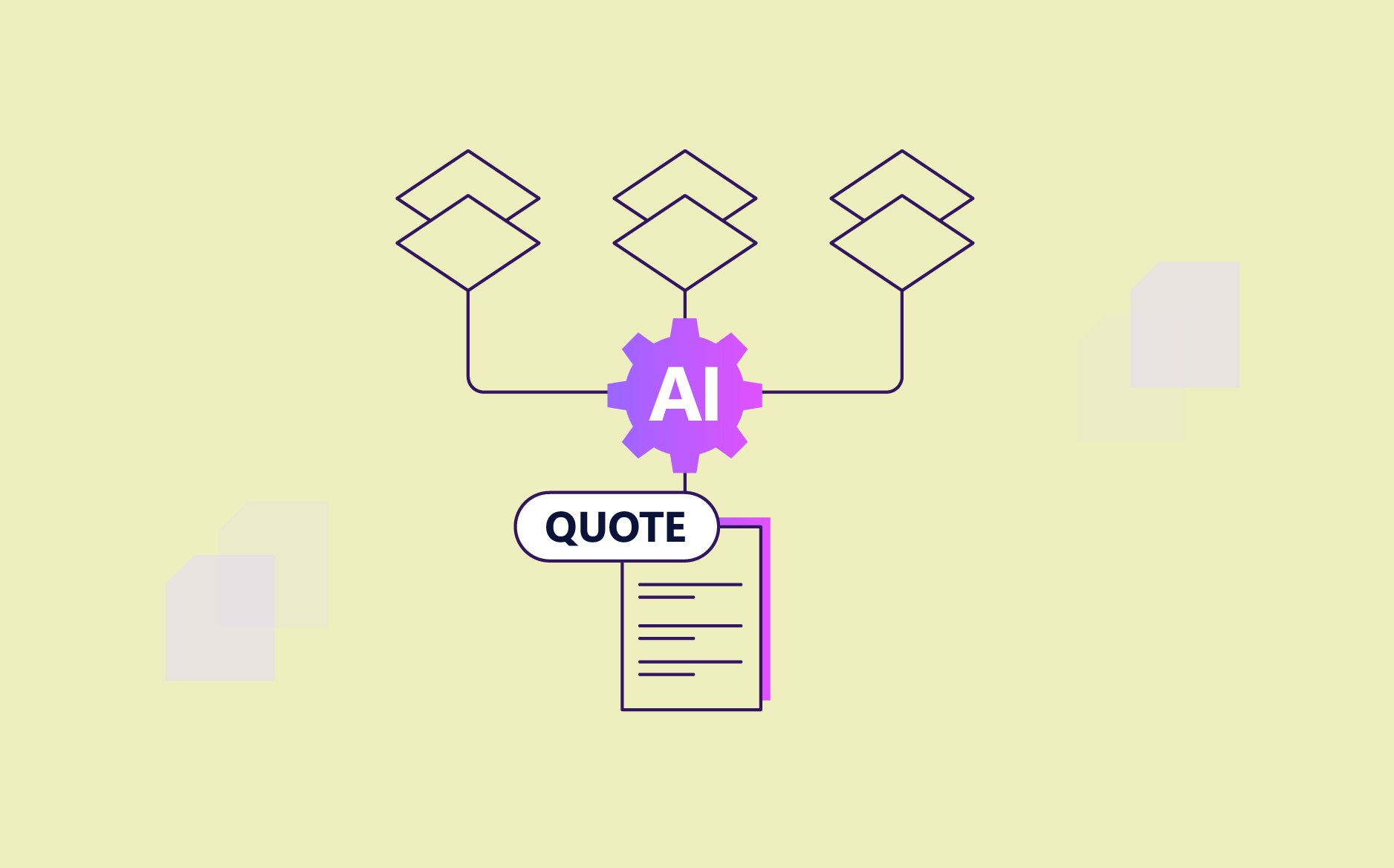
For brokers, carriers, and MGAs alike, moving submissions to coverage faster than the competition is the ideal state for insurance distribution. As AI capabilities mature, organizations that reduce friction in the quote-to-bind process are better positioned to serve clients, strengthen broker relationships, and capture opportunities that slower workflows would otherwise lose.
There’s a familiar saying: “The best quote is often the first quote.” In an environment where responsiveness drives placement decisions, insurance businesses that successfully streamline submission workflows and underwriting preparation will gain a significant competitive advantage.
